Sometimes there’s a glowing hole in my film education. I had no idea that Universal, in 1931, released two versions of Dracula, there was the iconic Bela Lugosi version which cast a long bat-shaped shadow over the entire 20th century, setting the standard for reserved, charming and well-dressed nosferatu.
At the same time George Melford, using the same sets, costumes, and script made a Spanish language version. It runs a good half hour longer than the version directed by Carl Laemmie Jr., expanding on the characters and narrative.
It’s fascinating watching some of the same camera set-ups to capture moments, and different stylistic choices to convey the same story.
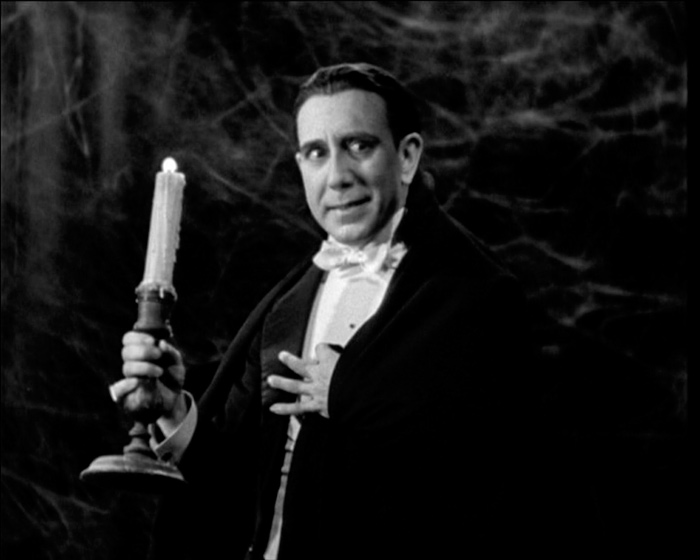
This time around, Dracula is played by Carlos Villarias, and I enjoy his version of the character as much as I did Lugosi’s.
The story is the same, an adaptation of the Bram Stoker novel, and the stage play, Renfield (Pablo Alvarez Rubio) arrives in Transylvania with the deed for Carfax Abbey, where he falls afoul of the vampire, becoming his loyal subject.
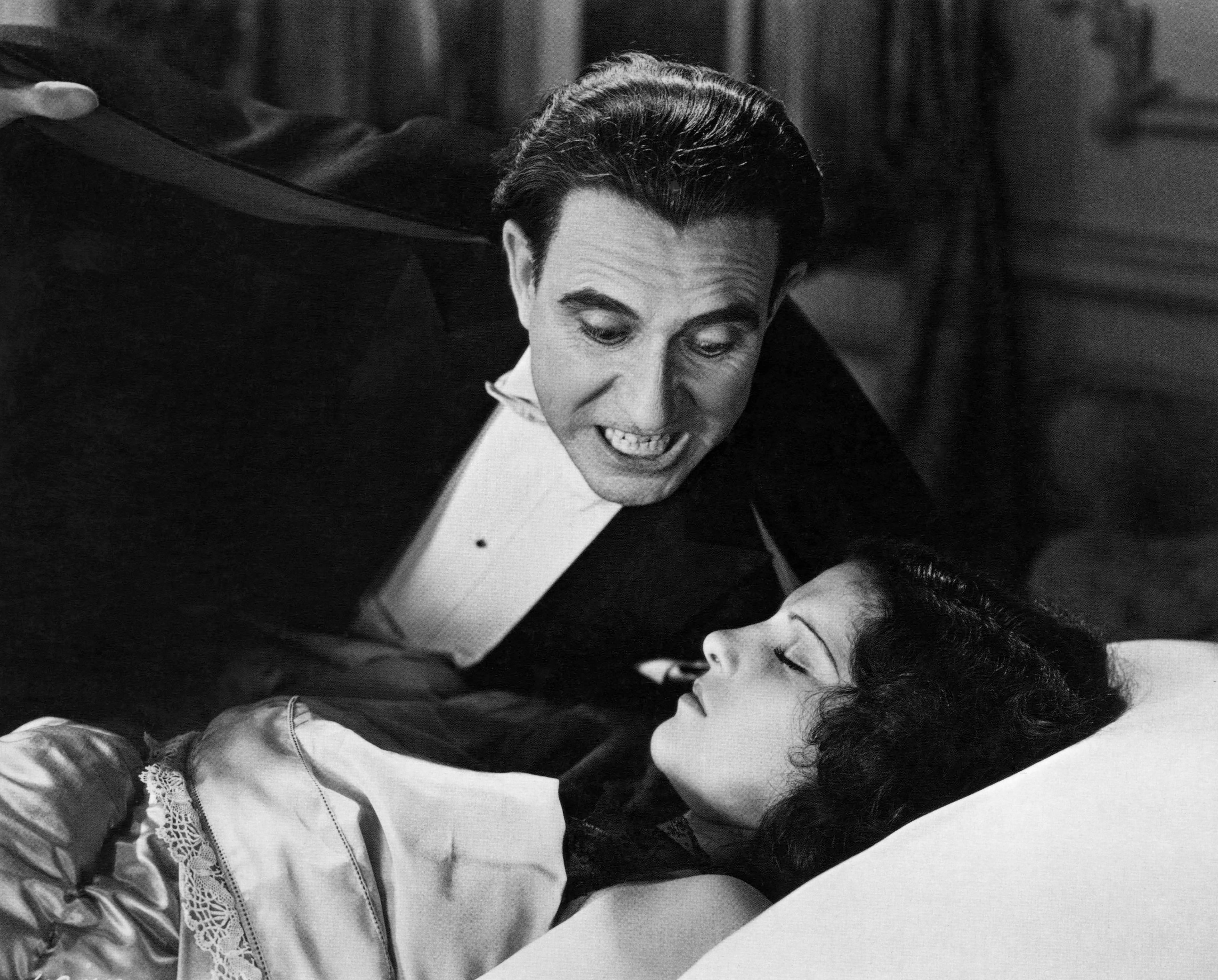
Arriving in London, Renfield is committed to Dr. Seward’s (Jose Soriano Viosca) sanitorium and Dracula begins to insinuate himself into high society, specifically the lives of Seward, Juan Harker (Barry Norton), Seward’s daughter, and Harker’s main squeeze, Eva (Lupita Tovar), and their friend Lucia (Carmen Guerrero).
Despite being locked up Renfield seems able to pop up throughout the story, wherever he is needed, just like in Laemmie’s version, and he is quite, quite mad in his service to Dracula.
Dracula seduces Lucia, turning her, but his eye, and fang is on Eva. Will Seward’s friend, and fellow scientist, Van Helsing (Eduardo Arozamena) be able to figure out what is going on and help Harker save Eva before it’s too late?
There are some wonderful sequences, as the film moves through the same beats as its English language counterpart, but in some ways, it’s bolder, and a little more vivid. And I love that final shot, which seems to be more layered and symbolic than Laemmie’s.
Don’t get me wrong, I love the Lugosi version, but this version is a little longer, a little more layered, and allows the film to breathe. It’s editing is stronger, and the costumes are a little more risque, for the time, which plays well to the story.
Villarias is a solid Dracula and delivers some great beats, but even now, it’s hard to escape the shadow of Lugosi. Having seen them both, I would just say watch them both back to back to get the most out of both incarnations.
I honestly can’t believe I didn’t know about this version. It’s sharp, well-crafted and gives another take on a classic Universal monster just as they were being created.

 The Mind Reels