
Charles Martin Smith plays Farley Mowat, in Carroll Ballard’s adaptation of Mowat’s classic novel, Never Cry Wolf. A book that actually changed the way we viewed wolves.
Mowat is a government researcher, and he’s got his assignment. Head north, like way north, and dig into the ahem menace that wolves pose to the environment, particularly the caribou.
What follows is a beautiful film, with gorgeous landscapes, that explores ecology, the balance these wonderful creatures give to the environment, and the true threat of man and progress.
The film takes its time, filled with a delightful inner monologue.
From his arrival to the film’s ending, Farley grows and shifts as a character. He sees the changes in the world around him, and the problem that man poses, specifically in the form of Rosie (Brian Dennehy).
Rosie is a bush pilot who flies Mowat up to his research point, and then resurfaces later in the film as an indicator of what is to come and what it means for the environment.
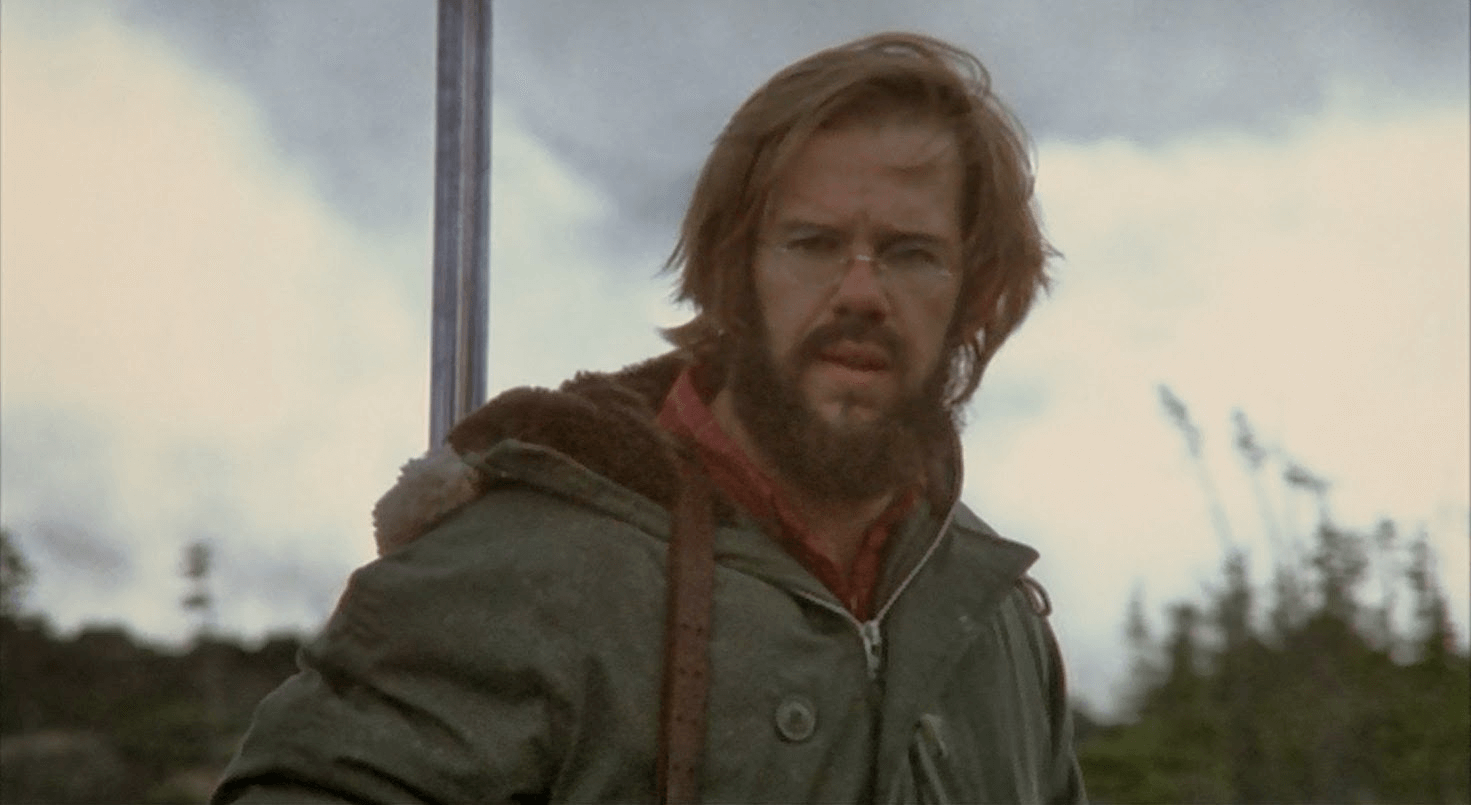
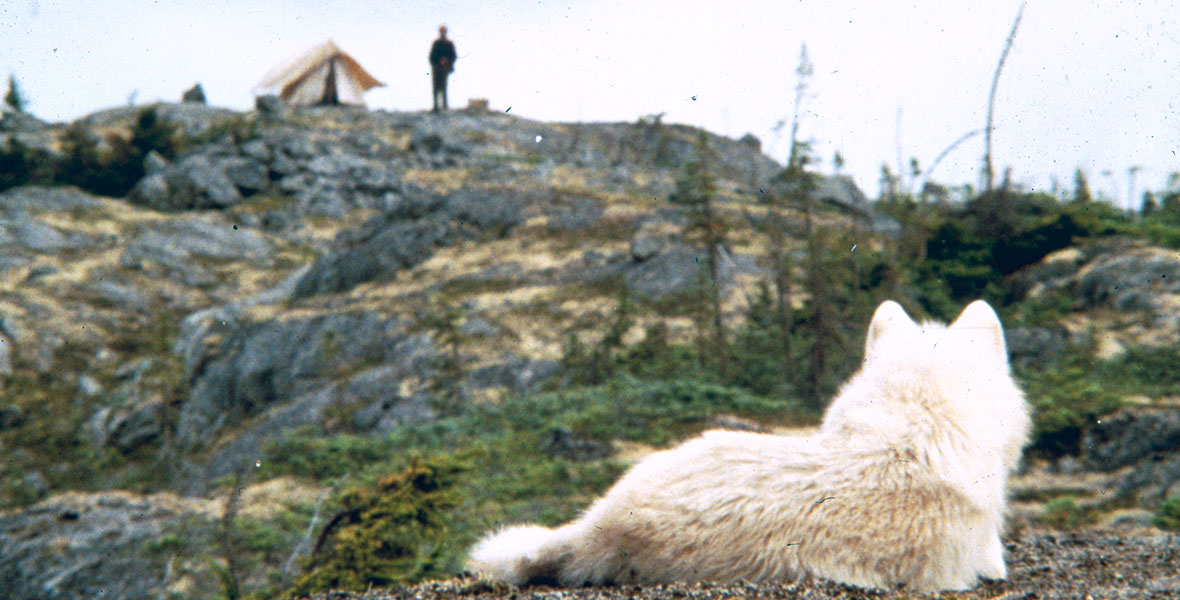
Tyler has learned, a bit, to live with the land through a friendship fostered with Ootek (Zachary Ittimangnaq), a local Inuit. He also learns this through his study of a wolf family, from their pairing to the rearing of their pups.
I remember when this one came out, there was a lot of talk about it. But the film, at that time, didn’t appeal to me. I remember going to homes to babysit, and there always seemed to be a rental copy sitting there. It didn’t appeal.
But coming to it now, it was a wonderful experience. Mark Isham delivers an intriguing score, not quite orchestral, but aural.
But it is the documentary like feel of the film. Actual wolves, caribou, locations, it feels like an actual experience as opposed to an adaptation of a novel. The caribou sequence is just stunning.
The film took over two years to shoot, and it looks absolutely beautiful. This is a film that needs a 4K upgrade, it would be jaw dropping.
I’ve always enjoyed Smith’s performances. I know that when he shows up in films he can be counted on for his craft and his abilities.
Ballard uses his documentary style to make the film immersive and completely engaging. And Smith’s Mowat, while a scientist, is very much an every man. He’s placed in a remote part of the world, forces himself to survive and watches the life and environment around him, and learns to live with it, not on it.
A fantastic film.

 The Mind Reels