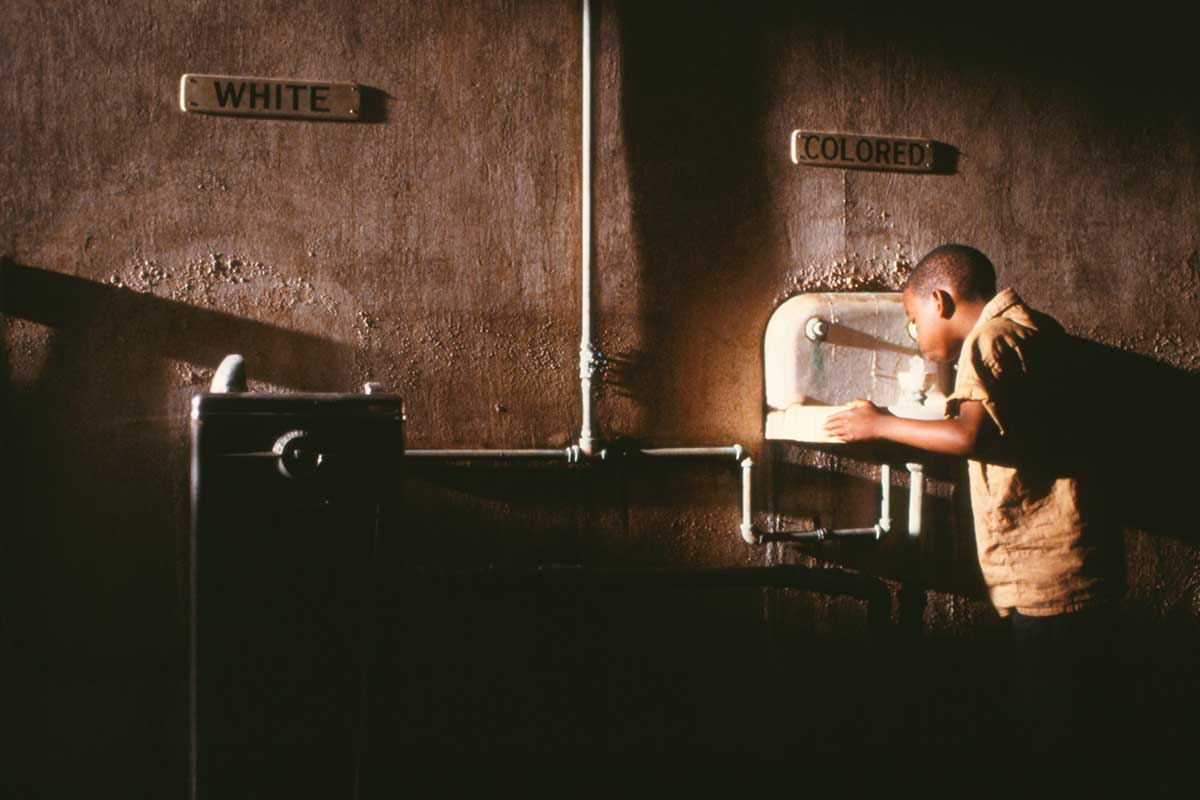
Mississippi Burning was relevant when it was made in the late 80s (it was relevant when I watched it nine years ago and wrote about it then), and sadly, here in 2024, it’s still relevant, because racism still seems to be way too rampant. The Oscar-winning film (Cinematography) has a stellar cast and is based loosely on an actual FBI investigation in Mississippi in 1964.
Three civil rights workers are missing (read as dead) following a stop in Jessup, Mississippi to help get people registered to vote, something the whites in the town are very much against, and something the KKK actively works against.
Agents Ward (Willem Dafoe) and Anderson (Gene Hackman) find themselves working the case, and they are almost opposites. Ward is an educated, liberal and wants to make sure the case gets the attention and justice it deserves. Anderson is a former small-town cop, a blue-collar worker, who may not share the beliefs of this small town, but he grew up in a similar environment so he understands some of it.
No one wants them there. The Sheriff’s Department which was involved and complicit in the murder/disappearance, the African-American residents won’t speak to them because there will be reprisals against anyone who does talk.
Ward begins to realize that he can’t do everything by procedure, he’s not getting anywhere, and as things escalate, he begins to see that Anderson’s way may be the only way he can serve justice in this case.

There’s an incredible supporting cast around Dafoe and Hackman, Brad Douriff, Frankie Faison, Frances McDormand, Darius McCrary, Micheal Rooker, Stephen Tobolowsky, Pruit Taylor Vince, and R. Lee Emery.
Parker intercuts the narrative with actual clips of locals, and it’s troubling how some seem to believe what they are saying.
Hackman and Dafoe have a great onscreen chemistry, the banter and interactions give a real sense of the procedures their characters follow and their beliefs.
It’s a beautiful-looking film and no surprise it took an Oscar for it. It was also nominated for Best Picture, Best Director, Best Actor (for Hackman), Best Actress, Best Sound, and Best Editing. The themes at work, things that should have been left in the 20th century (actually they should never have come to be) seem to still be at work here in the 21st century, making the film way too relevant, even now.
It’s frustrating that Ward’s dedication to procedure, and honest pursuit of justice isn’t enough to draw the villains out and give them the comeuppance they deserve. Anderson doesn’t quite break the law, but he definitely fractures a few once Ward gives him the okay, and, unfortunately, it plays out that way in the film because the audience needs the release.
A sharply made film, it’s brutal and poignant, and eyes the horrible way some treat others because of skin pigmentation. Powerful, and important, this could, arguably, be one of Parker’s most important films.

 The Mind Reels